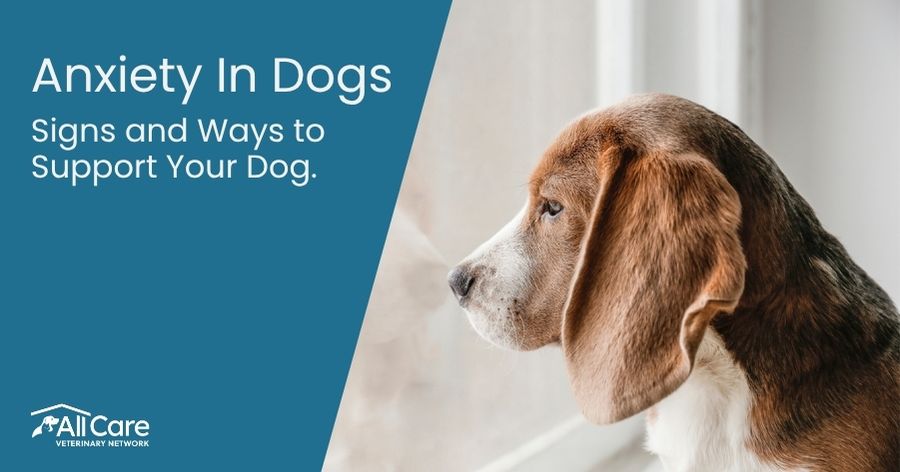
In Georgia, we’re no strangers to boom and kaboom. From summer thunderstorms to fireworks lighting up the sky, our area knows how to make noise. While we might enjoy the show, our dogs often feel very different. If your pup turns into a trembling peach whenever the sky rumbles, they may be dealing with anxiety.
Let’s fetch the facts on dog anxiety: the signs, the triggers (hello, fireworks and thunderstorms), and some practical tips to help your four-legged pet keep calm and carry on.
Dog anxiety is a stress response that occurs when a dog feels scared, confused, or overwhelmed by a situation. While every dog experiences stress from time to time, anxiety becomes a concern when those feelings are intense, frequent, or difficult for the dog to recover from without help.
There are several common triggers for anxiety.
Dogs can’t tell us they’re stressed, but they definitely can show it. Whether full panic mode or subtle signs, your dog’s anxiety needs your help.
Common anxiety signs in dogs include:
Fireworks and thunderstorms are a classic case of double trouble when it comes to dog anxiety. They are loud, unpredictable, and often accompanied by sudden flashes of light and ground-level vibrations. On top of that, dogs have far more sensitive hearing than humans, making these sounds feel even more intense.
When summer storms roll in without warning or fireworks erupt during holidays and special events, a normally quiet evening can quickly become overwhelming, leaving many dogs feeling unsettled, stressed, and unsure of what’s happening.
The good news? There are several simple ways to help your dog feel more secure during stressful moments.
If your dog’s anxiety is intense, worsening, or leading to self-injury or destruction, it’s time to involve a professional. There’s no shame in asking for help, mental health matters, whether you walk on two legs or four.
Contact your veterinarian if your dog:
A veterinarian can recommend behavioral strategies, supplements, or medications to help manage anxiety safely and effectively.
Dog anxiety is common, especially in areas like Atlanta where storms and fireworks are frequent. The good news is that it is manageable with the right approach.
With preparation, consistency, and support, you can help your dog feel more secure and better equipped to handle stressful situations.
Schedule an appointment today call (770) 526-9678 or contact an ACVN animal hospital in Conyers, Covington, or Social Circle.
What is the most common cause of anxiety in dogs?
Noise-related triggers such as thunderstorms and fireworks are among the most common causes, especially in areas with frequent storms like Atlanta.
Can dogs outgrow anxiety?
Some dogs improve with age and training, but many require ongoing support and management strategies.
What is the fastest way to calm an anxious dog?
Creating a quiet, safe space and reducing noise while staying calm yourself are the quickest ways to help.
Should I comfort my dog during anxiety?
Yes. Offering calm reassurance can help your dog feel safe, as long as you remain relaxed and consistent.