Spring has officially sprung. The days are getting longer, the grass is green, and your pet is more than ready for backyard zoomies, strolls around the neighborhood and Cricket Frog trail, or playing catch in the park. With warmer weather and extra outdoor time comes increased exposure to fleas, ticks, mosquitoes, and a variety of outdoor hazards hiding in yards and parks. While spring brings renewed activity, it is important to remember that parasites and environmental risks are not limited to one season. They pose a concern year-round and should be managed with consistent prevention and awareness.
Think of spring as your reminder to double check that your pet’s protection plan and outdoor environment are still working in their favor.
Fleas and ticks become more active as temperatures rise but are active year-round.
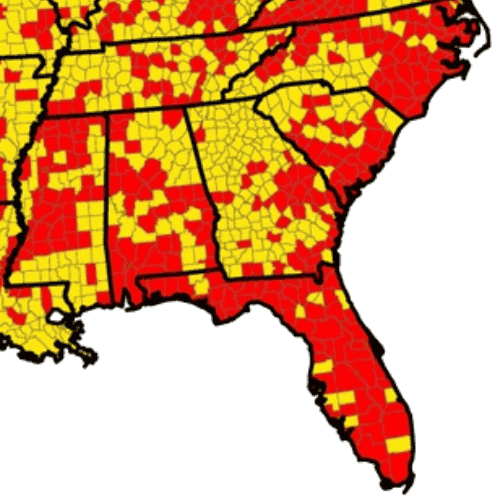
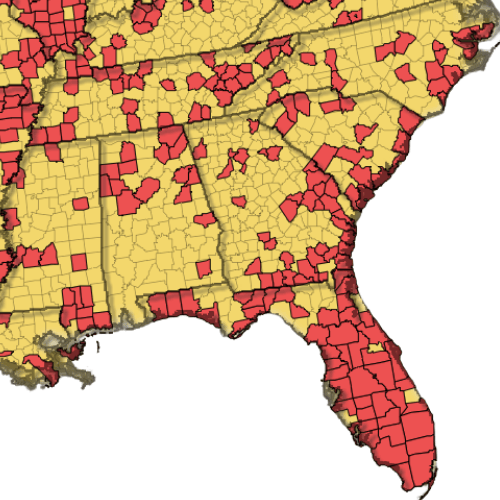
Tick Status in GA
Ticks that transmit diseases to mammals.
RED indicates count meets criteria for established population.

No need to panic. Stay proactive and ‘tick’ it off your list.
Heartworm disease is transmitted through mosquito bites. While mosquitoes are more noticeable in warmer months, they can appear whenever temperatures are mild enough, even in cooler seasons here in Georgia.
Heartworms live in the heart and lungs and can cause serious disease in dogs, and occasionally cats. Prevention is far easier (and safer) than treatment. A steady routine helps keep your pet’s heart healthy and your worries low.
Important! If your pet misses a dose of heartworm prevention, reach out to our veterinarians before restarting. Giving prevention to a pet that is already infected can cause serious health complications.
To stay on track:
Spring inspires more outdoor time, which means more opportunities for exploration — and a few things to watch for.
Keeping up with year-round prevention is easier when it’s built into your routine. If your pet is not currently on preventatives, schedule an appointment today to talk to your vet about preventatives that will work best for your pet’s lifestyle.
For added convenience and predictable budgeting, a Pet Prime® membership can help make routine wellness care and parasite prevention simple to manage all year long.
Spring is the perfect time to refresh routines, schedule wellness visits, and confirm your pet’s preventive care is up to date. It is also a great opportunity to inspect your yard, review potential plant or lawn hazards, and make sure your pet’s favorite outdoor spaces are safe for exploring.
Fleas, ticks, heartworms, toxic plants, and other environmental risks are not just springtime concerns. Staying proactive with year-round parasite prevention and smart outdoor precautions helps keep your pet happy, healthy, and ready for every season. A Pet Prime® membership makes it easy, including essential preventive care services and parasite preventatives to protect your pet this spring and throughout the year.
If your pet is due for a veterinary visit or you would like to review prevention options, schedule a wellness exam today. We are happy to help you build a protection plan that fits your pet’s lifestyle and keeps them safe all year long.
Here’s to more sunshine, safer adventures, and plenty of paws-itive memories ahead.